After 11 years in the trenches of multi-trade home services—transitioning from the high-pressure world of operations management to the strategic side of marketing—I’ve learned one inescapable truth: storm season isn't a "disruption." It is the new baseline. In storm-prone markets across North America, the days of a quiet shoulder season are effectively dead. We are now operating in a perpetual state of "surge," where the difference between a thriving business and a failing one comes down to how you handle the three most common customer complaints: slow response, poor communication, and timeline slips.
If you are a contractor, you’ve heard these complaints. If you’re a homeowner, you’ve likely lived them. But why do these failures keep happening, even when we have more technology at our fingertips than ever before? As a former ops manager who counts everything in 15-minute dispatch blocks, I’m here to pull back the curtain on why these friction points exist—and how we fix them.

The Reality of the Surge: Why the Old Playbook is Failing
According to data often reflected in the B2B News Network (B2BNN), the construction and restoration sectors are facing a dual crisis: a massive increase in extreme weather frequency and a shrinking skilled labor pool. The U.S. Bureau of Labor Statistics (BLS) consistently reports on the tight labor market in the trades, which means that when a storm hits, we aren't just fighting the clock; we are fighting a math problem. If you have 500 roof inspections to perform in 72 hours, but your dispatch capacity is limited to 15-minute intervals that require travel time, you are already in a deficit.
The biggest mistake companies make is continuing to use "occasional" staffing models for "frequent" event cycles. When a storm rolls through McKinney, Texas, companies like Fireman’s Roofing have to scale their operational intelligence instantly. If you aren't using drone imaging or HVAC emergency demand spike satellite-based roof measurements to capture data before your truck even arrives, you aren't just slow—you’re obsolete.
The Three Pillars of Customer Frustration
To understand the customer's perspective, I keep a running list of questions that pop up on day three, day ten, and day thirty after a major hail event. Without fail, they boil down to three primary complaints.
1. Slow Response: The "Who Owns the Next Step?" Gap
A customer extreme weather contractor demand calls after a storm because they are stressed. Their house is compromised. They want a human voice, or at least a firm commitment. When they hear, "we’ll get out to you soon," that is the kiss of death. In my operations days, I insisted that every interaction must end with a clear owner of the next step. If the office says, "we’ll call you when we have a slot," the customer feels abandoned.
The Fix: Implement automated, time-blocked scheduling. If you use drone imaging to assess the damage remotely, you can provide an estimate within 24 hours. That changes the narrative from "we don't know when" to "we have analyzed your roof data and have a team scheduled for Tuesday at 9:00 AM."
2. Poor Communication: The Transparency Vacuum
In the aftermath of a disaster, customers don't just want a fix; they want transparency. Poor communication usually stems from a lack of documentation. I have seen too many contractors show up, walk the roof, and leave nothing behind but a verbal promise. If the insurance adjuster arrives and your documentation—the photos, the measurements, the specific code requirements—isn't there, the project stalls. The customer blames the contractor, even if the holdup is the carrier.
Contractors who fail to document inspections properly are, frankly, doing their customers a disservice. You need a centralized portal where the homeowner can see the progress of their claim, the status of materials, and the arrival window for the crew.
3. Timeline Slips: The Inventory Planning Crisis
When the whole neighborhood is getting a new roof, supply chains buckle. A two-day material lead time can quickly stretch to two weeks if you haven't secured your supply lines. Timeline slips occur when companies over-promise on start dates without factoring in the "buffer blocks" required for material delivery and crew availability.
Complaint Root Cause Operational Fix "Slow Response" Manual, reactive scheduling Utilize satellite-based roof measurements for instant quoting. "Poor Communication" No central source of truth Implement a client portal with automated status updates. "Timeline Slips" Over-promising supply chains Build in 48-hour material buffers; communicate delays before they happen.Why Documentation is the Ultimate Trust Signal
Many contractors hate the paperwork reality of insurance claims, but this is exactly where the professional separates themselves from the "storm chasers." The homeowner is caught in the middle of an insurance paperwork nightmare. If your team is taking the time to document every dent, every missing shingle, and every code violation, you are essentially acting as an extension of the adjuster's office.
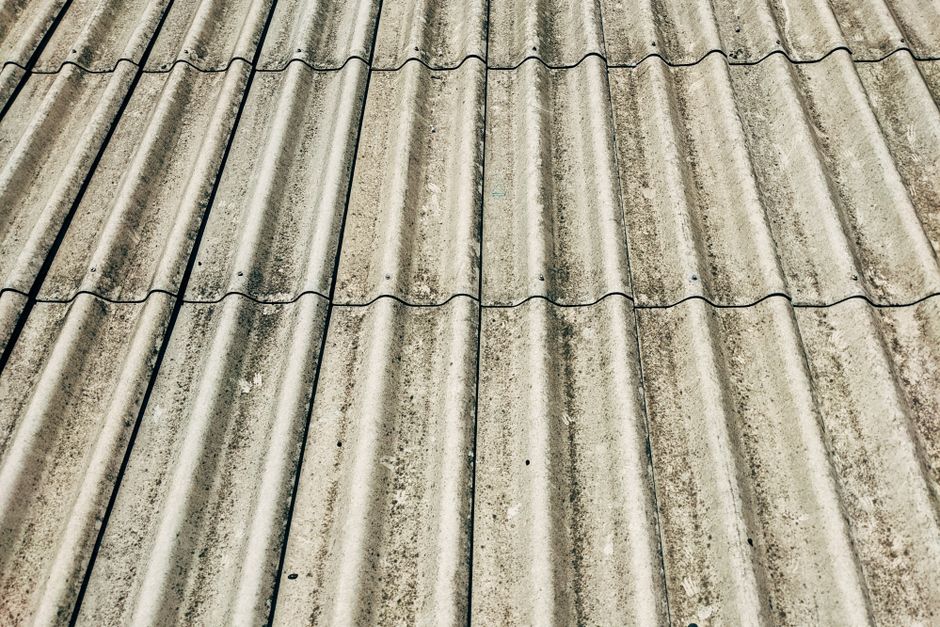
By providing a comprehensive file—backed by high-resolution drone imaging—you aren't just selling a roof; you are selling peace of mind. When a customer knows you have done the heavy lifting of documenting the damage, they are significantly more tolerant of minor timeline slips because they trust the process.
Operating Under Pressure: Strategies for the New Normal
If you want to reduce customer complaints, you have to change your operational cadence. Here is how I handle the surge:
The Pre-Inspection Phase: Deploy drones and satellite measurements before the boots hit the ground. You should know the roof geometry and the scale of the damage before you even pull into the driveway. The Communication Loop: Never end a conversation without setting a time block. Instead of "we'll call you," say, "We have a dispatch window between 8:00 AM and 10:00 AM on Thursday. You will receive a text when the tech is 30 minutes away." The Documentation Standard: If it isn't documented with a timestamped photo and a digital measurement, it didn't happen. Treat every inspection like it’s going to be reviewed by a forensic engineer or an insurance adjuster.Conclusion: The "Who Owns the Next Step?" Culture
Ultimately, the biggest complaint after a storm isn't really about the roof; it’s about the feeling of being out of control. Customers who have just experienced a natural disaster are looking for a partner who can restore order. Vague promises like "we'll fit you in soon" only increase their anxiety.
As leaders in the restoration and roofing space, we have a responsibility to be better. We need to leverage technology not just for efficiency, but for clarity. We need to be honest about the realities of the labor market and supply chain, and we need to instill a "Who owns the next step?" culture within our teams.
If you aren't documenting your inspections, if you aren't using the data available to you to speed up your response, and if you aren't communicating with the precision of a 15-minute dispatch window, you are leaving your customers to fend for themselves in the storm. It’s time to stop treating storms like outliers and start treating them like the operational challenges they are.
Are you owning the next step, or are you waiting for the customer to ask?