Creating a workplace environment that respects employees' dignity extends far beyond shared values and HR policies—it often starts in the small, everyday spaces employees use, like the restroom. While a full restroom renovation can be costly and disruptive, targeted small restroom upgrades can significantly enhance privacy, comfort, and inclusivity. In this post, we'll explore practical approaches backed by insights from the HR.com community blog platform and trusted resources from the SHRM website.
Why Restroom Access and Design Impact Workplace Dignity
Restroom access is one hooks in bathroom stalls of the most fundamental elements of workplace dignity. When restrooms are out of reach, poorly maintained, or designed without real user needs in mind, employees experience discomfort that can quietly erode trust and engagement.
Some common "small frictions" employees face in restrooms include:
- Stalls with inadequate privacy Absence of hooks or surfaces to store bags and coats Logistical barriers to accessing or using free menstrual products Inconsistent or unclear maintenance schedules
These issues may seem minor but are frequently underestimated in their cumulative impact on employee satisfaction and retention.
Small Restroom Upgrades That Make a Big Difference
Let's break down some practical, cost-effective upgrades to make restrooms more respectful, private, and inclusive without undertaking a disruptive remodel.
1. Privacy Locks and Hooks: Prioritizing User Comfort
Nothing undermines dignity faster than a stall that fails basic privacy expectations. Installing privacy locks that clearly signal occupancy is one simple measure. Options include:
- Indicator bolt locks showing 'Vacant/Occupied' state Easy-to-use lever locks for all ages and abilities
Equally important are sturdy bag hooks and small shelves inside stalls. Employees often carry bags, coats, or work items like phones, and having a secure place to hang or place them avoids awkward balancing acts or exposing belongings to unsanitary floor surfaces.
Who empties the hooks and how often? It’s a wise question to ask facilities teams when adding such features—to maintain cleanliness and usability.
2. Period-Friendly Facilities: Access & Amenities
Meeting the needs of menstruating employees sends a powerful signal that the company respects real-life challenges.
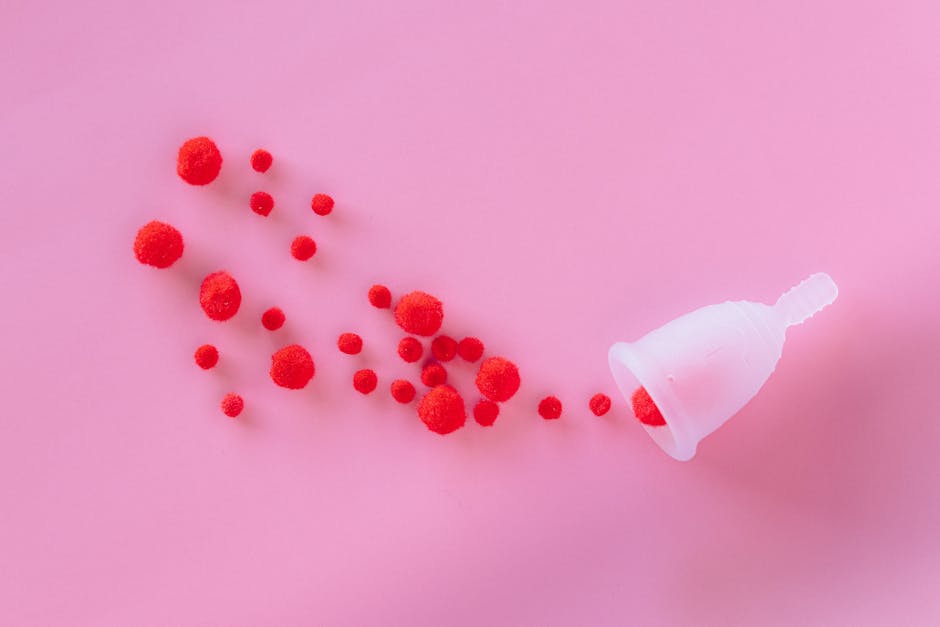
Free Menstrual Products
Offering free menstrual products like pads and tampons in restrooms is one of the most low-cost and effective ways to demonstrate care. According to SHRM, companies that normalize access to these products reduce stigma and absenteeism.
Consider the placement and maintenance of dispensers:
- Place dispensers within easy reach, inside stall or common restroom areas Use dispensers that are discrete but clearly labeled Assign responsibility in maintenance schedules to ensure availability
Period-Friendly Sanitation
Regular emptying of sanitary disposal bins prevents odor and mess, essential for maintaining respectful restroom environments. Engage janitorial and facilities teams with clear protocols and feedback loops.
3. Usable Space and Layout Tweaks
While a full redesign may not be feasible, small adjustments can make restrooms feel less cramped and more private:
- Install modesty panels or extend stall partitions closer to the floor and ceiling where possible Optimize lighting to avoid harsh glare or shadows—soft, even lighting improves comfort Ensure door swings don’t conflict with foot traffic or privacy
Sometimes, simply rearranging hooks or shelves can better accommodate coats and bags, reducing awkwardness inside the stall.

Partnering with Facilities: The HR Perspective
In my 12 years of HR operations experience, successful restroom improvements come from close partnership with facilities teams. When someone proposes new restroom amenities or upgrades, my go-to question is always:
"Who empties it and how often?"Adding features without clarity on upkeep risks backfiring—dirty dispensers or cluttered hooks undermine trust. Collaboration enables realistic planning and ensures promises on "support" are delivered in facilities follow-through.
Building a feedback culture where employees can report issues without embarrassment also helps identify friction points before they grow.
Case Study Snapshot: Incremental Restroom Upgrades Yield Big Returns
Intervention Cost Result Reference Installed privacy locks with clear indicators ~$15 per stall Employee survey showed 20% increase in restroom satisfaction HR.com community case Added sturdy bag hooks inside all stalls ~$10 per stall Noted reduction in bag damage and user complaints Facilities partnership report, internal Introduced free menstrual product dispensers Minimal (initial set-up + ongoing restocking) Improved perception of inclusivity; fewer unplanned absences during periods SHRM guidelines and dataFinal Thoughts: Workplace Dignity is in the Details
Restrooms are a literal and figurative foundation of workplace dignity. With thoughtful, small restroom upgrades focusing on privacy locks, bag hooks, period-friendly amenities, and practical layout tweaks, organizations can foster respectful environments without costly remodels.
Remember: the real work starts with honest questions about ongoing maintenance and usability. As HR professionals and workplace experience managers, it's our job to champion these seemingly small changes that quietly bolster employee well-being and retention.
For more insights, engagement, and community-driven ideas, check out the ongoing conversations on the HR.com community blog platform and guidance from the SHRM website.